How Gut, Hormones, and Skin Affect Mental Health
TL;DR
- Mental health doesn't happen only in the brain. Researchers at APA 2026 walked through a framework called PNEI — psychoneuroendocrinoimmunology — that links the brain to the gut, hormones, immune system, and even skin.
- Chronic low-grade inflammation is now linked to depression, anxiety, schizophrenia, and PTSD. Markers like CRP, IL-6, and TNF-α are elevated in many patients with treatment-resistant psychiatric conditions.
- The gut microbiome talks to your brain through the vagus nerve. Disrupted gut bacteria are associated with depression and anxiety; therapies targeting the gut (diet, probiotics, prebiotics, even fecal transplant) are being studied as adjuncts.
- Cortisol and sex hormones shape mental health. Chronic stress → high cortisol → smaller hippocampus → worse depression. Postpartum and premenstrual mood changes are real, hormone-driven phenomena.
- Skin conditions like psoriasis and eczema often come with depression and anxiety — not because they "stress you out" but because they share the same underlying inflammatory biology.
- Several newer treatments target these pathways: brexanolone (postpartum depression, neurosteroid), ketamine/esketamine (modulates inflammation and glutamate), and emerging immune-targeted therapies.
This is part of a series of patient-facing posts translating what was discussed at the American Psychiatric Association's 2026 Annual Meeting in San Francisco.
What is PNEI?
PNEI stands for Psycho-Neuro-Endocrino-Immunology. It's a mouthful, but the idea is simple:
The brain doesn't work in isolation. It's in constant conversation with the gut, the immune system, the hormones, and even the skin. When those systems are out of balance, mental health suffers — and when mental health suffers, those systems get worse. It's a loop.
The session was led by four military psychiatrists — Drs. Bhagwan Bahroo, Kristin Wahlberg-Painter, Taylor Tucker, and Carolyn Yoakum (Walter Reed / Uniformed Services University of the Health Sciences). Their argument: psychiatry has historically treated the brain as a closed system, and that approach misses a lot of what's actually driving treatment-resistant depression, anxiety, and other conditions.
This is not fringe medicine. The pathways they walked through are backed by published research in mainstream journals like Frontiers in Immunology, International Journal of Molecular Sciences, and Healthcare. The framework is increasingly making its way into how forward-thinking clinicians evaluate complex psychiatric patients.
Why this framework matters now
The presenters made the case for why PNEI is becoming central to psychiatry:
| Reason | What it means |
|---|---|
| Siloed care misses biological crosstalk | A patient with depression + eczema + IBS sees three different doctors who don't talk. The conditions may share inflammatory roots. |
| The evidence base has gotten strong | Gut microbiota, cytokine profiles, cortisol dynamics, and skin-brain signaling now have robust mechanistic links to depression, schizophrenia, and anxiety. |
| New treatments target these pathways | Brexanolone, ketamine, anti-inflammatory drugs, and chronobiological interventions act on PNEI pathways — not just on neurotransmitters. |
| Patients need integrated care | Treating the brain without the body produces partial responses at best. |
Why does this matter for you as a patient? Because if your depression isn't responding to standard antidepressants, the answer may not be a fifth medication — it may be looking somewhere else in your body for what's driving things.
The four PNEI axes, in plain English
1. The gut-brain axis
Your gut and brain are constantly talking through:
- The vagus nerve — a giant nerve highway running from your brainstem down to your gut
- Microbiota-derived neurotransmitters — your gut bacteria actually make serotonin, GABA, and dopamine precursors. About 90% of your body's serotonin is made in the gut.
- The immune system — the gut is your largest immune organ; what happens there sends signals to the brain
- Short-chain fatty acids — produced when gut bacteria break down fiber; influence brain function
When gut bacteria are out of balance (dysbiosis) — too few "good" species, too many inflammatory ones, low diversity — several things can happen:
- Increased intestinal permeability ("leaky gut") — inflammatory molecules cross into the bloodstream and reach the brain
- Altered tryptophan metabolism — tryptophan is the precursor to serotonin; the path it takes (toward calming serotonin or toward inflammatory metabolites) depends partly on gut bacteria
- Systemic immune activation — the gut sends inflammatory signals throughout the body, including to the brain
This is associated with depression, anxiety, and — increasingly — schizophrenia.
What patients can do:
- Eat for diversity — lots of different plant foods (the fiber feeds beneficial bacteria)
- Limit ultra-processed foods (they tend to reduce gut microbial diversity)
- Consider whether you have ongoing GI symptoms (chronic bloating, IBS-type symptoms) — these can be a clue
- Probiotics are emerging as a possible adjunct but the evidence is mixed; targeted prebiotics (fiber) is generally a safer bet
The presenters' clinical takeaway: assess diet quality and GI symptoms in psychiatric patients. The gut may be driving — or amplifying — the mental health picture.
2. The neuroimmune axis: inflammation and the brain
Chronic low-grade inflammation — not the dramatic inflammation of a sprained ankle, but a slow, persistent immune activation — is increasingly recognized as a driver of psychiatric illness.
The markers researchers look at:
- C-reactive protein (CRP) — a general marker of inflammation, easily measured with a blood test
- Interleukin-6 (IL-6) — a specific inflammatory cytokine
- TNF-α — tumor necrosis factor, another inflammation marker
- IL-1β — implicated in depression specifically
When these are elevated, peripheral immune signals reach the brain via:
- Circumventricular organs — regions where the blood-brain barrier is thinner
- Vagal afferents — the gut-vagus-brain pathway again
- Active cytokine transport — the brain can actively pull inflammatory signals across
The downstream effects: microglial activation (the brain's resident immune cells go into overdrive), altered neurotransmitter metabolism (serotonin gets shunted toward inflammatory pathways), and disrupted neuroplasticity (the brain becomes less able to form new connections).
This is why anti-inflammatory drugs are being studied as adjuncts to antidepressants. Aspirin, statins, certain biologics — all in active investigation.
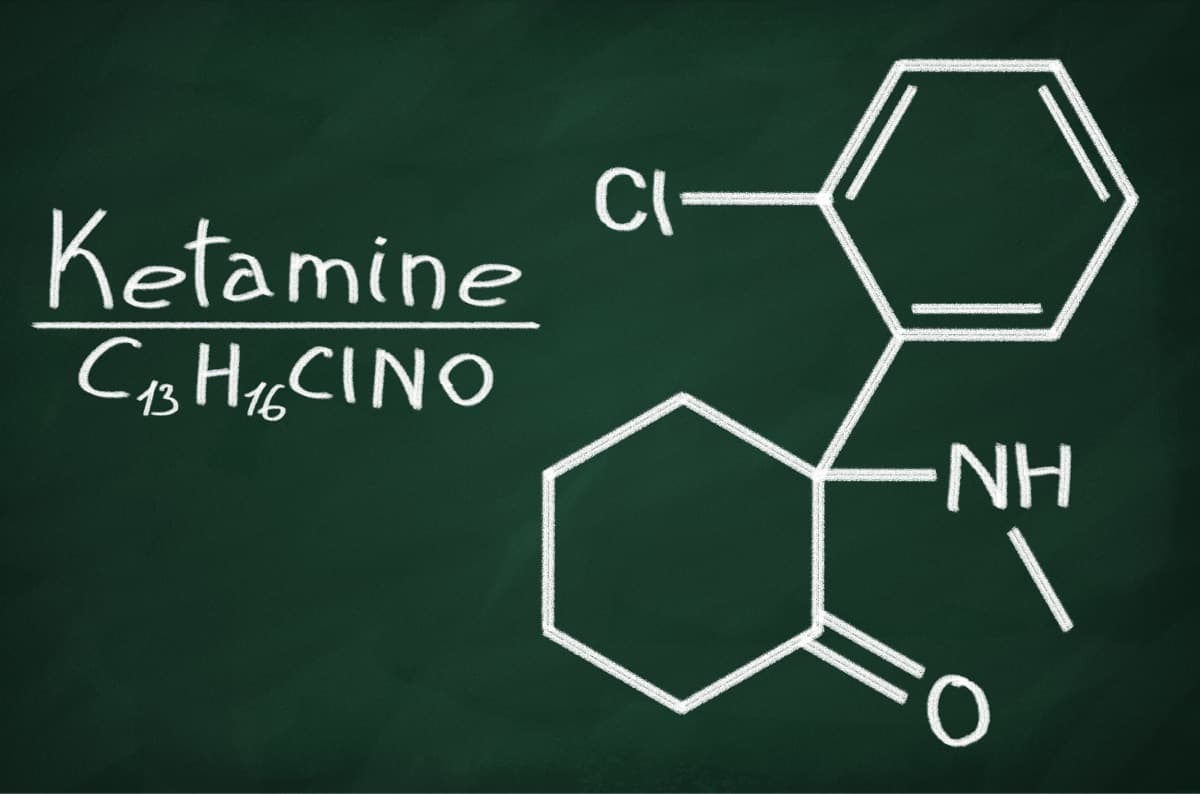
This is also where ketamine fits in. Ketamine has anti-inflammatory effects in addition to its NMDA receptor blockade. The rapid antidepressant effect of ketamine may be partly explained by its ability to reduce neuroinflammation — particularly in patients whose depression has a strong inflammatory component.
The clinical takeaway: for treatment-resistant depression or atypical presentations, consider checking inflammatory markers (CRP, IL-6) — they may identify patients who would benefit from anti-inflammatory or PNEI-targeted treatments.
3. The endocrine axis: hormones and the brain
Your hormones run a deep biology of mental health. Three patterns the presenters highlighted:
HPA axis dysregulation. HPA stands for hypothalamic-pituitary-adrenal — the body's stress-response system. Chronic stress → persistently elevated cortisol → smaller hippocampus (a brain region critical for mood and memory) → suppressed BDNF (a neurotrophic factor that supports brain health) → increased vulnerability to depression, PTSD, and anxiety.
Cortisol isn't bad — it's essential. But chronic elevation is what causes the damage.
Sex hormones and neuroplasticity. Estrogen, progesterone, and testosterone modulate serotonin and GABA signaling. This is why:
- Postpartum depression isn't just psychological — it's a real, dramatic hormonal shift
- Premenstrual dysphoric disorder (PMDD) has biological roots in hormonal fluctuation
- Perimenopausal mood changes track measurable hormonal patterns
Neurosteroid therapies. Brexanolone (an analog of allopregnanolone, a brain-produced neurosteroid) is FDA-approved for postpartum depression — it targets GABA-A receptors with neuroimmune effects. Zuranolone is an oral version that extends this approach.
The clinical takeaway: for any patient with mood disorders, screen for thyroid dysfunction, cortisol dysregulation, and reproductive hormone shifts — these may be the actual drivers.
4. The skin-brain axis: psychodermatology
This was the most surprising part of the session for many attendees.
Skin and brain share embryological origins. Both develop from the same layer of cells in the embryo (the neuroectoderm). The connection isn't metaphorical — it's biological.
Skin conditions and psychiatric conditions co-occur at high rates:
- Psoriasis — significantly more depression, anxiety, even psychosis in patients with psoriasis
- Atopic dermatitis (eczema) — same pattern, plus increased ADHD in children
- Acne — particularly cystic and severe acne, strongly associated with depression in adolescents and young adults
This isn't because skin conditions are "stressful." It's because they share underlying biology:
- Shared inflammatory pathways (the same cytokines drive both)
- HPA axis activation (chronic stress flares skin; flares trigger more stress)
- Neurogenic inflammation — neurons in the skin release inflammatory mediators (substance P, CRH) that exacerbate both the skin condition and mental health
- Social stigma of visible skin disease adds psychological burden
The clinical takeaway: if you have a chronic skin condition and you also have depression or anxiety, this isn't coincidence. Treating both together — sometimes with the same anti-inflammatory medication — can be more effective than treating each in isolation.
What treatments target these pathways?
The PNEI framework points to several treatments that don't fit the "block one receptor in the brain" model of older psychiatry:
| Treatment | What it does |
|---|---|
| Brexanolone (Zulresso) | FDA-approved for postpartum depression. A neurosteroid that targets GABA-A receptors with neuroimmune effects. |
| Zuranolone (Zurzuvae) | Oral neurosteroid, FDA-approved for postpartum depression in 2023; under study for major depression. |
| Ketamine / esketamine | Modulates glutamate and BDNF — but also has anti-inflammatory effects. May be most effective in patients with high inflammatory markers. |
| TLR (Toll-like receptor) modulators | Experimental — targeting innate immune receptors that drive neuroinflammation. |
| Anti-inflammatory adjuncts | Statins, aspirin, certain biologics studied as add-ons to antidepressants. |
| Chronotherapy / melatonin | Realigns circadian rhythms; influences both neuroimmune balance and mood. |
| Xanomeline (Cobenfy) | FDA-approved 2024 for schizophrenia. Muscarinic acetylcholine receptor agonist with neuroimmune effects — first new mechanism for schizophrenia in decades. |
What this means for you as a patient
If you have depression, anxiety, or another psychiatric condition that hasn't responded fully to standard treatment, the PNEI framework suggests asking different questions:
- What's going on with my gut? Persistent GI symptoms, food sensitivities, IBS-type patterns — are these being treated or ignored?
- Could my hormones be involved? Postpartum, perimenopausal, premenstrual, low testosterone, thyroid dysfunction — these are real biological levers.
- What's my inflammation like? A simple CRP blood test is cheap and informative. Persistently elevated CRP, particularly with depression that doesn't respond to standard treatment, points toward an inflammation-driven pattern.
- Do I have a chronic skin condition? Psoriasis, eczema, severe acne — these aren't separate from your mental health; they may share roots.
- How's my sleep and circadian rhythm? Misaligned sleep timing disrupts every PNEI axis simultaneously.
The treatments listed above aren't all available everywhere, and not all of them will be right for you. But the framing is the practical takeaway: mental health is whole-body health. A psychiatrist who's only thinking about your serotonin is missing most of the relevant biology.
How this fits with ketamine therapy
The session referenced ketamine and esketamine specifically as PNEI-targeted treatments — and the link is real. Ketamine works through several mechanisms relevant to this framework:
- NMDA receptor blockade (the classical mechanism)
- Glutamate surge → BDNF release → neuroplasticity (the antidepressant pathway)
- Anti-inflammatory effects — measurable reductions in IL-6, TNF-α, and microglial activation
- HPA axis modulation — ketamine appears to normalize cortisol dynamics in patients with treatment-resistant depression
What this means clinically: for patients whose depression has an inflammatory or HPA-dysregulated component, ketamine therapy may produce particularly strong responses. The mechanism is multilayered, not single-pathway. This is one reason ketamine helps many patients whom traditional antidepressants haven't.
The bigger picture
The PNEI framework isn't a single new treatment. It's a different way of thinking about psychiatric illness — one that takes the body seriously as part of the story.
For decades, the dominant approach in psychiatry has been: a chemical imbalance in the brain → fix the imbalance with a drug. That model has produced real benefits for many patients, but it has also left a large minority of patients without meaningful relief.
The PNEI approach suggests that for those patients, the answer may lie in pathways the standard model doesn't address — inflammation, hormones, gut, skin, circadian rhythm, sleep. Not instead of antidepressants, but alongside them. Not as alternative medicine, but as integrative medicine grounded in the same kind of rigorous research as any other clinical advance.
If standard psychiatric care hasn't helped you enough, the question worth asking your clinician is: what else could be going on in my body that's affecting my mind?
Sources cited
- Bottaccioli AG et al. Int J Mol Sci 2025 — Rethinking depression beyond neurotransmitters: an integrated PNEI framework
- Zhu et al. Frontiers in Immunology 2025 — The microbiota-gut-brain axis in depression: unraveling the relationships
- Sawicka-Gutaj N et al. Healthcare 2025 — The role of neuroinflammation in the comorbidity of psychiatric disorders and internal diseases
- Lei AA et al. Int J Mol Sci 2025 — Chronic stress-associated depressive disorders: HPA axis dysregulation and neuroinflammation
- Marek-Jozefowicz L et al. Int J Mol Sci 2022 — The brain-skin axis in psoriasis
- Tan CC et al. JAAD International 2025 — The brain-skin connection: a narrative review of neuroendocrine and immune pathways
- Comai S et al. Int J Neuropsychopharmacol 2025 — Moving toward precision and personalized treatment in psychiatry
- Cryan JF et al. Physiological Reviews 2019 — The microbiota-gut-brain axis
Related Articles
- APA 2026 Annual Meeting Recap
- The 40-Year Antidepressant Plateau
- Ketamine and Neuroinflammation: Anti-Inflammatory Mechanisms
- GLP-1 Agonists and Mental Health
Considering ketamine therapy? Isha Health offers physician-led at-home treatment with an 88.8% improvement rate. Check appointment availability.
88.8% of Isha Health patients with moderate-to-severe depression show measurable improvement
Based on 546 patients and 1,900+ validated assessments. See our clinical outcomes →