Psychedelic Therapy: Hope or Hype? APA 2026 Notes
TL;DR
- Psychedelic therapy is real, but the conversation has gotten ahead of the data. At APA 2026, three senior researchers laid out what's actually known versus what's being marketed.
- Federal law in the US hasn't changed. Psilocybin, MDMA, LSD, DMT all remain Schedule I. Ketamine is the only psychedelic-adjacent medication that is legally prescribable.
- The FDA rejected the MDMA-for-PTSD application in August 2024. This was a significant setback after years of buildup. The methodology of the trials was the main concern.
- Oregon and Colorado have legalized supervised psilocybin services. New Mexico is being added. About 3 states total, plus Washington DC and ~24 cities have decriminalized possession.
- Federal momentum has shifted in 2026. An April 2026 executive order directed the FDA to fast-track psychedelic review and allocated $50M for state research.
- About 3% of US adults use psychedelics annually, and up to half of those are self-medicating a psychiatric condition. Microdosing is increasingly common.
- The honest summary: real promise, methodologically messy evidence base, legally complicated access, with serious risks for the wrong patients. Cautious optimism with eyes open.
This is part of a series of patient-facing posts translating what was discussed at the American Psychiatric Association's 2026 Annual Meeting.
The session
The talk — "Psychedelics as Psychiatric Treatment: Hope or Hype?" — was led by three senior researchers:
- David Gorelick, MD, PhD (Clinical Professor of Psychiatry, University of Maryland; Editor of Journal of Cannabis Research) — definitions, history, legal status, mechanisms, epidemiology
- Kevin Hill, MD (Chief of Addiction Psychiatry, Beth Israel Boston; Associate Professor of Psychiatry, Harvard Medical School) — clinical pharmacology, dose, route, drug interactions
- Smita Das, MD, PhD, MPH (Clinical Associate Professor, Stanford) — evidence base for benefits and harms
The session deliberately avoided being a cheerleading event. The tone was: here's what the data actually shows, where it's strong, where it's weak, and what clinicians should tell patients who ask.
What counts as a "psychedelic"?
Definitions matter because the term gets used loosely. Dr. Gorelick walked through the categories:
| Category | Examples | How they work |
|---|---|---|
| Classic psychedelics (5-HT2A agonists) | Psilocybin, LSD, DMT, mescaline, ayahuasca | Activate serotonin 5-HT2A receptors |
| Entactogens / empathogens | MDMA ("ecstasy"), MDA | Trigger serotonin/dopamine/norepinephrine release; mix of psychedelic + stimulant properties |
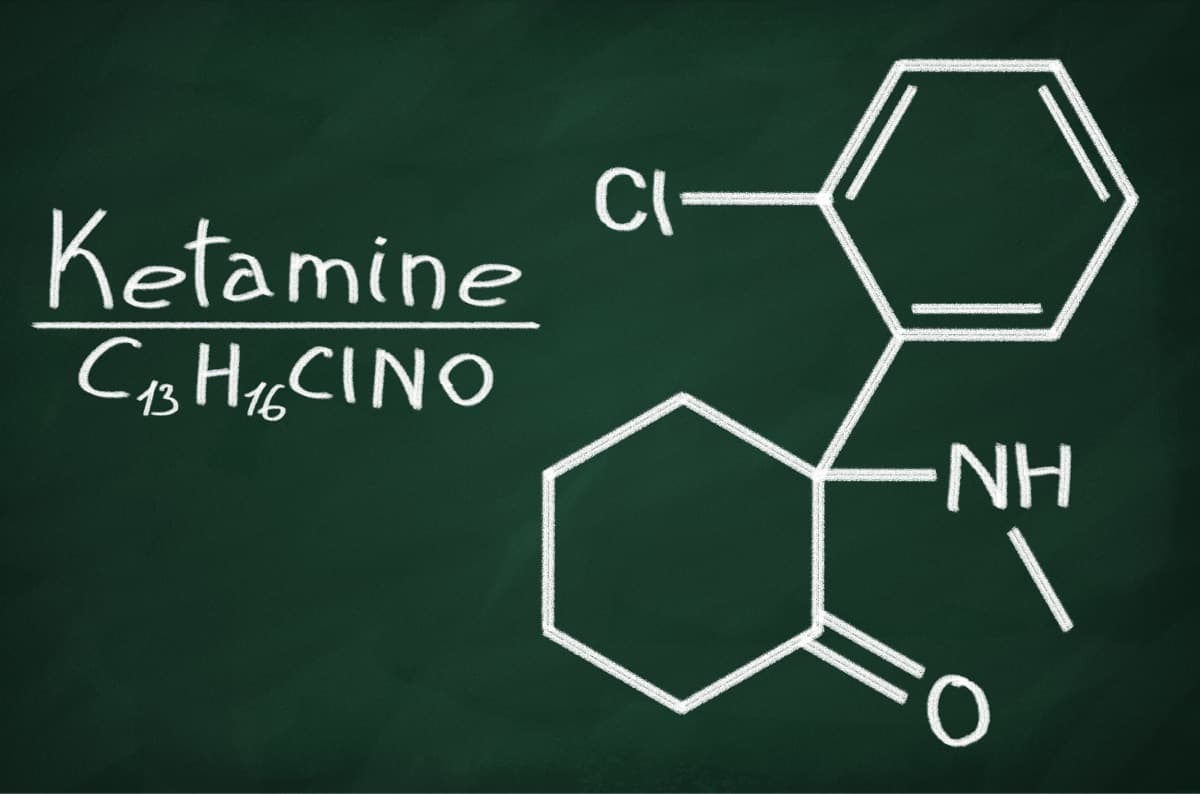
| Dissociative anesthetics (not classic psychedelics) | Ketamine, PCP | Block NMDA glutamate receptors |
| Other hallucinogens (not covered today) | Salvinorin A, muscimol, cannabis (high dose), stimulant-induced | Various mechanisms |
The term "psychedelic" technically means "mind-revealing" — coined by Humphrey Osmond in 1957. It originally referred specifically to the classic 5-HT2A agonists. Modern usage has expanded to include MDMA and sometimes ketamine, though purists object.
For purposes of this APA session, the focus was on classic psychedelics + MDMA. Ketamine was discussed only briefly because it has its own separate evidence base and a different legal status (Schedule III, prescribable) — making it more available today than the substances the session covered.
What does the research actually show?
A few snapshots from Dr. Das's portion:
Active psychedelic clinical trials (as of December 2025)
56 active classic-psychedelic clinical trials, distributed across:
- Mood disorders: 24 trials (42.8%)
- Existential distress (cancer, terminal illness): 7 (12.5%)
- Alcohol and substance use disorder: 7 (12.5%)
- Chronic pain: 4 (7.1%)
- Anxiety disorders: 3 (5.3%)
- Mixed mood/anxiety/stress: 3 (5.3%)
- Headache: 2 (3.5%)
- Other (anorexia, Parkinson's, PTSD, OCD, MCI, IBS): 6 (10.7%)
The field is broad but heavily concentrated on mood disorders.
Where the evidence is strongest
- Psilocybin for treatment-resistant depression: Goodwin et al. 2022 (NEJM) showed sustained antidepressant effects from a single 25mg dose at 12 weeks (n=233). The strongest single result in the modern psychedelic literature.
- Psilocybin for cancer-related existential distress: smaller trials show large effects on death anxiety
- Psilocybin for alcohol use disorder: Bogenschutz 2022 JAMA Psychiatry (~9.7% heavy drinking days vs 23.6% control)
- MDMA for PTSD: Phase 3 trials showed strong effects but the FDA still rejected (more below)
Where the evidence is weak
- Microdosing for anything: placebo-controlled studies generally find that subjective benefits track expectancy rather than actual drug effect
- LSD as a therapeutic: limited modern trial data despite long history
- DMT as a therapeutic: very early; short duration of action may be a feature or a bug
Why the FDA rejected MDMA-for-PTSD
In August 2024, the FDA declined to approve Lykos Therapeutics' MDMA-assisted therapy for PTSD. This was widely seen as the watershed moment for the field. Several concerns:
- Functional unblinding: 90%+ of patients knew whether they got MDMA or placebo because the subjective experience is so distinctive. This makes it hard to attribute benefit to the drug versus expectation.
- Trial design questions: the protocol combined MDMA with intensive psychotherapy, making it hard to know what was doing the therapeutic work.
- Reports of adverse events that weren't fully captured in the official protocol — including some sexual misconduct in the trial's earliest iterations.
- Cardiovascular safety signals at higher doses.
The decision was a meaningful setback. It didn't mean the FDA thought MDMA didn't work — it meant the available evidence didn't meet the FDA's standard for a controlled substance.
Putative mechanisms
Why might psychedelics produce lasting psychiatric benefit from a single dose? Several converging hypotheses:
Neurophysiological
- Increased structural plasticity (more dendritic branches and spines)
- Increased functional plasticity (more flexible neural responses)
- Altered brain circuitry — particularly desynchronization in the default mode network (the brain's self-referential network, which is hyperactive in depression and rumination)
- Increased flow of sensory input (sensory gates relax)
Psychological
- Increased plasticity, increased cognitive flexibility
- Decreased ego defenses and boundaries
- Increased emotional openness
The hypothesis: a single psychedelic session opens a window during which old, entrenched patterns of thought and behavior become temporarily changeable. Integration work afterward — the talking-and-processing part — is what translates that opening into lasting change.
If correct, this would explain why psychedelics work differently from antidepressants. SSRIs change daily neurochemistry; psychedelics change the brain's ability to update.
The legal landscape, as of mid-2026
This is where the conversation gets complicated. Dr. Gorelick walked through the current state:
Federal
- Schedule I under the Controlled Substances Act — meaning "high potential for abuse" and "no currently accepted medical use"
- April 18, 2026 executive order changed the federal stance:
- FDA directed to fast-track psychedelic review and approval
- $50 million in ARPA-H matching funds allocated for state psychedelic research and development (Texas was specifically named)
- Expedited access under the federal Right to Try Act
- VA conducting 5 active clinical trials of psychedelic therapy for veterans
State
The state-level picture is increasingly fragmented:
- Regulated medical/therapeutic access: Oregon, Colorado, New Mexico, parts of Utah
- Decriminalized possession: Washington DC, ~24 cities (Denver, Oakland, Seattle, etc.)
- State research and funding: Texas, California, Washington, Massachusetts, New Mexico, Arizona, Maryland, Connecticut
- Status quo (Schedule I, no decriminalization): most of the remaining states
This means: a US resident's access to legal psychedelic therapy in 2026 depends heavily on what state they live in. For most of the country, clinical trial enrollment is the only legal pathway.
Epidemiology: who's using these substances?
A few key data points Dr. Gorelick highlighted:
- About 3% of US adults report past-year use of any psychedelic
- Up to half of those are self-medicating a psychiatric condition (depression, anxiety, PTSD)
- Microdosing is increasingly common — taking a much smaller dose than would produce a psychedelic experience, often as a daily or every-third-day routine
This means roughly half of recreational psychedelic users in the US are essentially attempting do-it-yourself psychiatric treatment — usually without medical supervision, without integration support, and without quality-controlled product.
This pattern raises real safety questions and is part of why the field is pushing for legitimate medical pathways.
Adverse effects: what the research actually shows
Psychedelics aren't risk-free. Dr. Das walked through documented adverse effects:
- Acute psychological: panic, paranoia, anxiety, depersonalization, terrifying experiences ("bad trips")
- Acute psychiatric: precipitation of psychosis in susceptible individuals (personal or family history of bipolar disorder or schizophrenia is generally a contraindication)
- Acute physical: headache, nausea, hypertension, increased heart rate
- Hallucinogen Persisting Perception Disorder (HPPD): lingering visual disturbances — uncommon but documented
- Drug interactions: serotonergic drugs (SSRIs, MAOIs) interact unpredictably — particularly dangerous with MAOIs
A 2024 California study found a 50% increase in psychedelic-associated emergency department visits and hospitalizations over the past decade — though this tracks the rise in use rather than indicating these substances have become more dangerous.
What this means for patients
If you're considering psychedelic therapy, here's an honest summary of where things stand as of mid-2026:
What is legally available now
- Ketamine therapy — legally prescribable across all 50 states. The strongest evidence base of any psychedelic-adjacent therapy. Available via physician-led at-home programs, in-clinic infusions, and FDA-approved Spravato.
- Psilocybin in Oregon and Colorado — supervised therapeutic sessions through licensed service centers. Not covered by insurance. Requires travel for most patients.
- Clinical trials — listed at ClinicalTrials.gov. Enrollment criteria are strict but represent the most rigorous legitimate access pathway.
What is not yet available
- FDA-approved psilocybin therapy — Compass Pathways and Usona Institute have late-stage trials; approval is plausible but unconfirmed in the next 2-4 years
- FDA-approved MDMA therapy — additional trial data needed after the August 2024 rejection
- DMT, LSD therapy — early research only
What to do now
If you have depression, anxiety, or PTSD that hasn't responded to standard treatment:
- Ketamine therapy is the option that's both evidence-backed and legally accessible. It's not the same medicine as psilocybin or MDMA, but it operates on overlapping pathways and has the most robust safety record.
- Clinical trial enrollment is the most ethical and safest path to access classic psychedelics.
- Oregon or Colorado psilocybin services are an option if you can travel, but require careful preparation and integration support that the programs themselves may not provide.
- Recreational use is not therapy. A friend's basement, an unsupervised retreat, or microdosing without clinical structure is not the same intervention the research is testing.
Hope, hype, or honest assessment?
The session ended without a clean conclusion — which felt right. The honest assessment:
- Hope is justified. The mechanisms are real, the early data is real, the unmet need is real.
- Hype has gotten ahead of evidence. Claims that psychedelics are a "cure" for depression or PTSD are not supported by the data.
- Implementation is the bottleneck. Even if psilocybin were approved tomorrow, the workforce, regulatory infrastructure, and insurance coverage would take years to catch up.
- Patient selection matters. The same medicine can heal one patient and destabilize another. Real informed consent is essential.
For patients today, the best summary is what Dr. Hill suggested in the Q&A: stay informed, work with qualified clinicians, and don't bet your mental health on a treatment that hasn't been approved yet when an approved alternative might work for you.
Sources cited
- Peritore CS. Future Drug Discovery 2022 — Historical publication trends in psychedelic research
- Siegel JS et al. Nature Medicine 2026 — Psilocybin clinical trial landscape
- Kelmendi B et al. Current Biology 2022 — Psychedelics chemistry overview
- Koning E et al. CNS Spectrums 2024 — Psychedelic policy and regulatory history
- Goodwin GM et al. NEJM 2022 — Single-dose psilocybin for treatment-resistant depression
- Bogenschutz MP et al. JAMA Psychiatry 2022 — Psilocybin-assisted psychotherapy for alcohol use disorder
- FDA — Spravato approval announcement, March 2019
- Berman RM et al. Biological Psychiatry 2000 — Foundational ketamine trial for depression
- UC Berkeley Center for the Science of Psychedelics — State-by-state psychedelic policy tracker
Related Articles
- APA 2026 Annual Meeting Recap
- Volkow on Psychedelics for Addiction: APA 2026 Notes
- Why Recreational Ketamine Use Is Rising
- Psilocybin vs Ketamine: Mechanism, Access, and Evidence
- Ketamine-Assisted Psychotherapy (KAP): APA 2026 Notes
Considering ketamine therapy? Isha Health offers physician-led at-home treatment with an 88.8% improvement rate. Check appointment availability.
88.8% of Isha Health patients with moderate-to-severe depression show measurable improvement
Based on 546 patients and 1,900+ validated assessments. See our clinical outcomes →