Ketamine Therapy Blog — Mental Health Insights & Treatment Guides
Expert insights on ketamine therapy, depression, anxiety, PTSD, and mental health treatment — updated regularly by the Isha Health clinical team.
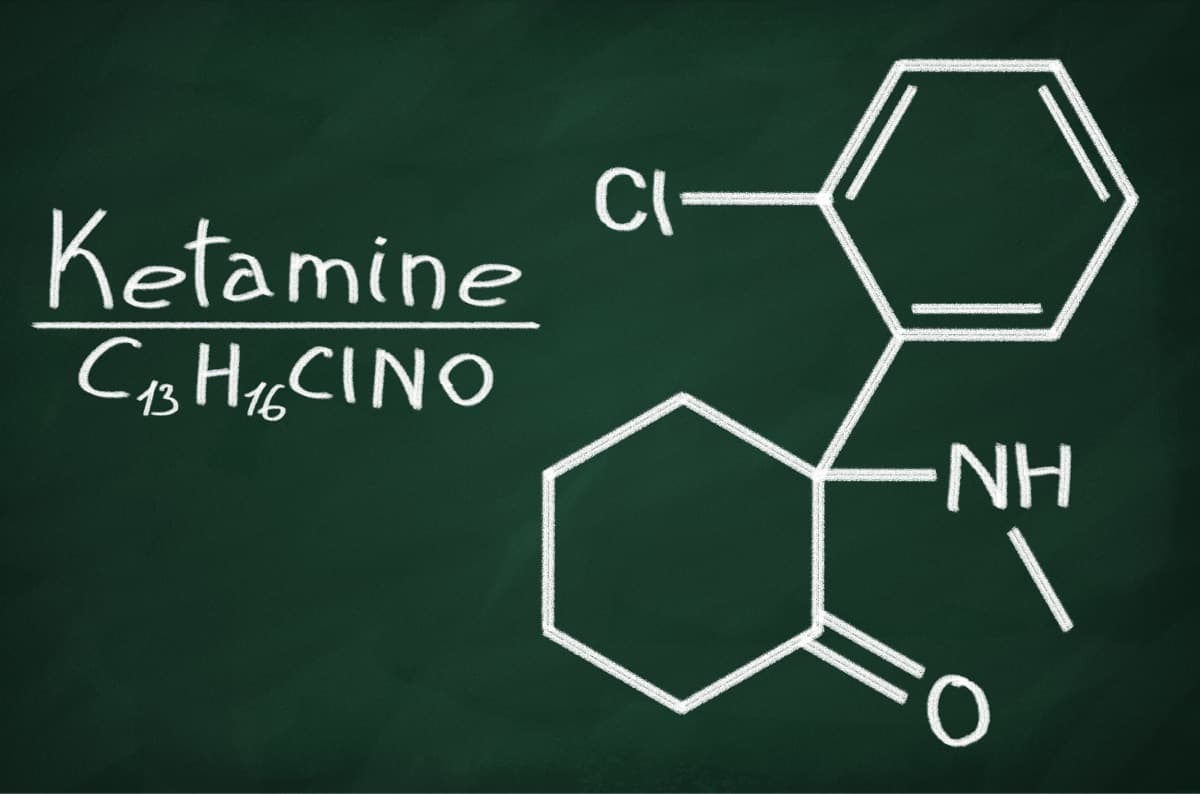
Psychedelic Therapy: Hope or Hype? APA 2026 Notes
Are psychedelic therapies the breakthrough they're billed as? Notes from an APA 2026 session weighing the evidence, legal status, and access reality.
Why Recreational Ketamine Use Is Rising: APA 2026 Data
Recreational ketamine use is rising sharply in the US. APA 2026 data on adult trends, illegal seizures, deaths, and what it means for medical patients.

Mental Health Awareness Month: Ketamine's Role in 2026
May is Mental Health Awareness Month. Here is how ketamine therapy has evolved, who it helps today, Isha Health's outcomes, and why reducing stigma around.
When Trauma Looks Like Depression or Anxiety: APA 2026
Trauma can look like many psychiatric conditions. Notes from an APA 2026 session on how recognizing hidden trauma changes diagnosis, prescribing, and ketamine use.
How Gut, Hormones, and Skin Affect Mental Health
At APA 2026, the PNEI framework explained how the gut, hormones, immune system, and skin influence mental health — and how it changes treatment options.
Ketamine-Assisted Psychotherapy (KAP): APA 2026 Notes
Ketamine-assisted psychotherapy (KAP) combines ketamine with structured therapy. Notes from an APA 2026 session on what makes it different — and four case studies.
Volkow on Psychedelics for Addiction: APA 2026 Notes
At APA 2026, NIDA Director Nora Volkow walked through evidence that psilocybin may help with alcohol use disorder, smoking cessation, and cocaine use disorder.
How to Choose a Safe Ketamine Clinic in 2026
A 2024 study found ketamine clinics vary widely in safety standards. Here is a patient-focused guide to choosing a safe provider: what to look for, red flags.
Ketamine for OCD: Stanford Trial Shows 3-Week Effect
Stanford researchers presented unpublished APA 2026 data showing a single ketamine infusion dramatically reduces OCD symptoms — with effects lasting 3 weeks.
Why Most People Can't Access Modern Depression Treatments
TMS, ketamine, and other interventional psychiatry treatments work, but most patients can't access them. Notes from an APA 2026 panel on the bottleneck.
The 40-Year Antidepressant Plateau: APA 2026 Findings
At APA 2026, a leading depression researcher said: modern antidepressants are only modestly better than placebo, and 40 years of new drugs haven't changed it.
Vagus Nerve Stimulation for Depression: What It Is
Vagus nerve stimulation (VNS) is an implanted treatment for depression that hasn't responded to multiple medications. What it is and who it helps.
Page 1 of 20
Get new articles in your inbox
Research updates and clinical insights on ketamine therapy — no spam.