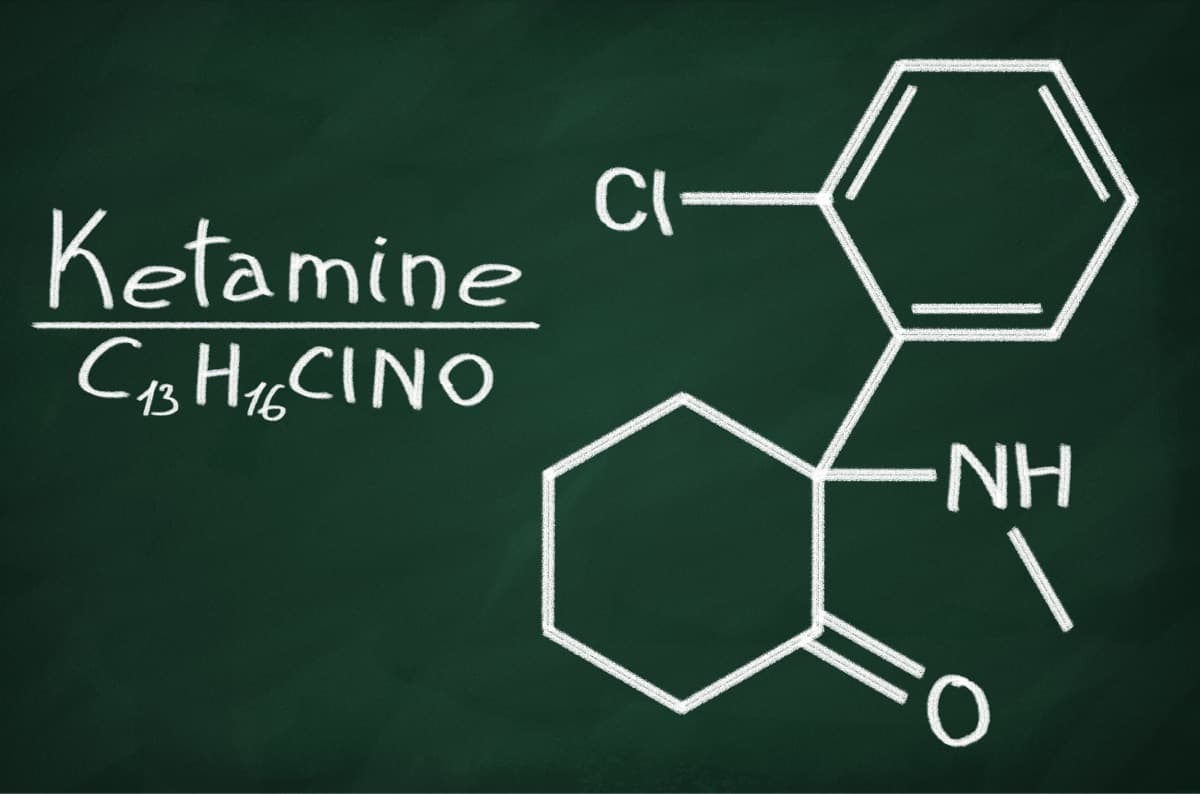
Mental Health Awareness Month: Ketamine's Role in 2026

May is Mental Health Awareness Month, a time dedicated to reducing stigma, expanding awareness, and advocating for accessible treatment. In 2026, that conversation increasingly includes ketamine therapy, a treatment that has moved from experimental curiosity to established clinical practice in remarkably short time. Here is where things stand.
How Ketamine Therapy Has Evolved
A decade ago, ketamine therapy for depression was available at a handful of academic medical centers, delivered exclusively through IV infusions, and surrounded by skepticism from much of the psychiatric establishment. The journey from there to here has been rapid:
2019: The FDA approved esketamine (Spravato) nasal spray for treatment-resistant depression, marking the first formal regulatory recognition of ketamine's antidepressant properties.
2020-2022: The COVID-19 pandemic accelerated telehealth adoption, and at-home sublingual ketamine programs emerged as a practical alternative to in-clinic infusions. Access expanded dramatically.
2023-2024: Large-scale real-world data began validating at-home treatment models. Studies involving thousands of patients confirmed that sublingual ketamine delivered via telehealth produced response rates comparable to clinical settings, with favorable safety profiles.
2025-2026: Research has increasingly focused on optimizing treatment through combination approaches: ketamine with psychotherapy, ketamine with TMS, and integrated protocols like the Montreal Model. The field has matured from asking "does it work?" to asking "how do we make it work best?"
Who Ketamine Helps Today
Ketamine therapy is primarily used for:
Treatment-resistant depression (TRD): Patients who have not responded adequately to two or more standard antidepressants. This population, estimated at 30% of all depression patients, has historically had limited options. Ketamine provides meaningful relief for a substantial majority.
Anxiety disorders: Generalized anxiety disorder and social anxiety disorder both respond to ketamine therapy, often improving alongside depressive symptoms.
PTSD: Research in both veteran and civilian populations supports ketamine's efficacy for PTSD symptoms, including intrusive memories, avoidance, and hyperarousal.
Suicidal ideation: Ketamine's rapid onset of action makes it uniquely valuable for patients experiencing acute suicidal thoughts, providing relief within hours rather than weeks.
Postpartum depression: Growing evidence supports ketamine for postpartum depression, with recent meta-analyses even suggesting a preventive role for esketamine administered during cesarean section.
Isha Health's Outcomes
At Isha Health, we believe transparency about outcomes is essential to building trust and reducing the uncertainty that keeps many patients from seeking treatment. Our published outcomes data tells a clear story:
- 88.8% of patients show improvement in depression and anxiety scores
- Results are measured using validated instruments (PHQ-9, GAD-7) at standardized intervals
- Improvement is tracked across the full treatment course, not just at peak response
- Data reflects real-world patients, including those with comorbidities and complex treatment histories
These numbers represent real people whose daily lives have changed: better sleep, restored relationships, return to work, and renewed sense of purpose.
The Stigma Problem
Despite the evidence, stigma remains a significant barrier to treatment. It operates on multiple levels:
Stigma around depression itself: Many people, particularly men, older adults, and members of certain cultural communities, still view depression as a personal weakness rather than a medical condition. This prevents them from seeking any treatment, let alone a novel one like ketamine.
Stigma around ketamine specifically: Ketamine's history as a recreational drug and its association with club culture create a perception problem. Some patients hesitate to tell family members or even other healthcare providers that they are receiving ketamine therapy, fearing judgment.
Stigma around treatment resistance: Patients with TRD often feel that they have "failed" at getting better, that their depression is somehow their fault because standard medications did not work. This sense of failure can discourage them from trying new approaches.
Mental Health Awareness Month is an opportunity to address all three layers of stigma with clear, evidence-based messaging:
- Depression is a neurobiological condition, not a character flaw.
- Ketamine is a legitimate, well-studied medication with a strong evidence base. It is on the WHO's List of Essential Medicines.
- Treatment resistance is not a personal failure. It is a biological reality that requires different tools, and those tools now exist.
What You Can Do This Month
If you are struggling: You deserve treatment that works. If standard antidepressants have not provided adequate relief, you have not failed. The medication failed you, and better options are available. Explore whether ketamine therapy might be right for you.
If someone you know is struggling: The most powerful thing you can say is "I support you in getting the help you need, whatever that looks like." Normalize treatment-seeking. Share accurate information. Do not judge someone's treatment choices.
If you are a clinician: Consider whether ketamine therapy might benefit patients in your practice who have not responded to standard approaches. Isha Health's collaboration program makes it easy to integrate ketamine into your patients' treatment plans.
If you have benefited from ketamine therapy: Your story matters. Sharing your experience, whether with friends, on review platforms, or with your treatment team, helps reduce stigma and gives hope to others who are still searching for relief.
Looking Ahead
The trajectory of ketamine therapy is clear: broader access, better integration with psychotherapy, more personalized protocols, and stronger evidence at every level. As Mental Health Awareness Month 2026 draws attention to the state of mental health care, ketamine therapy represents one of the most meaningful advances of the past decade, a treatment that genuinely helps people who had run out of options.
At Isha Health, we are committed to making that treatment accessible and effective for everyone who needs it.
Considering ketamine therapy? Isha Health offers physician-led at-home treatment with an 88.8% improvement rate. Check appointment availability.
88.8% of Isha Health patients with moderate-to-severe depression show measurable improvement
Based on 546 patients and 1,900+ validated assessments. See our clinical outcomes →