Psychedelic Medicine in 2026: Where We Stand

The psychedelic medicine landscape in 2026 looks substantially different from the optimistic projections that dominated the field just a few years ago. Some compounds have advanced further than expected. Others have stalled. The regulatory environment has grown more complex, and the gap between scientific evidence and patient access remains wide. Drawing on a 2026 editorial by Dinis-Oliveira in Psychoactives and a comprehensive chapter by Jeyakumar and Messias, here is a candid assessment of where each major psychedelic compound stands — and what it means for patients seeking treatment today.
Ketamine and esketamine: the established option
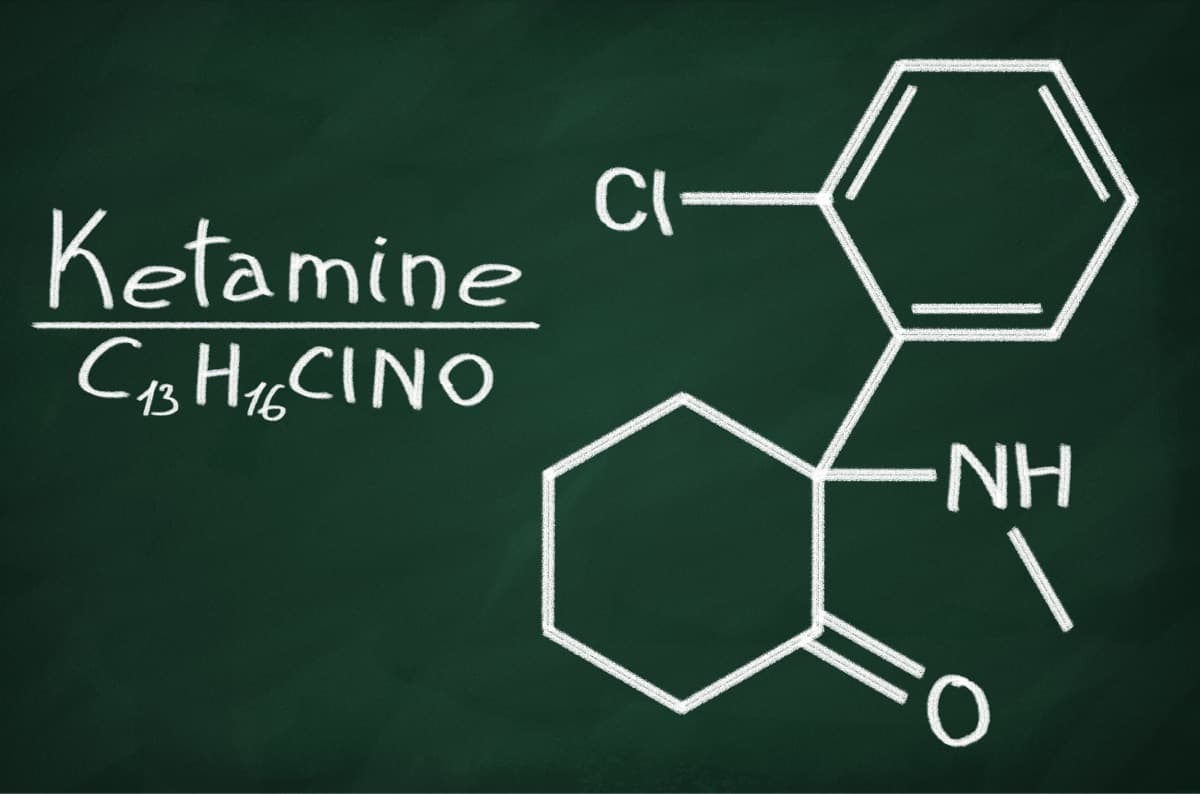
Ketamine remains the only psychedelic-adjacent compound with broad legal availability for psychiatric use in 2026. Its position has strengthened considerably:
Market growth. The ketamine therapy market has grown to an estimated $3.4 billion, with over 1,500 clinics and telehealth programs operating across the United States. This growth reflects both increasing clinical evidence and growing patient demand for alternatives to conventional antidepressants.
Spravato expansion. Esketamine (Spravato), the FDA-approved intranasal formulation, has seen its prescribing expand beyond its initial treatment-resistant depression indication. Real-world data continues to accumulate, and payer coverage — while still inconsistent — has improved. The REMS (Risk Evaluation and Mitigation Strategy) requirement, which mandates in-office administration and monitoring, remains a significant access barrier but also ensures a level of clinical oversight that the broader ketamine market does not uniformly maintain.
Off-label oral and sublingual ketamine continues to represent the majority of ketamine prescribing for mental health, delivered through both in-person clinics and telehealth programs. The evidence base for these formulations is growing, with published outcomes data increasingly available from clinical practices — including Isha Health's 88.8% improvement rate.
Remaining challenges. Standardization remains the field's most pressing issue. Dosing protocols, treatment duration, integration practices, and outcome measurement vary widely across providers. The absence of a universal standard of care creates a quality gap that patients must navigate carefully.
Psilocybin: promising but bottlenecked
Psilocybin-assisted therapy has generated some of the most compelling clinical data in psychiatry, but the path from research to widespread access has proven slower and more complicated than many anticipated.
COMPASS Pathways Phase IIb results demonstrated significant efficacy for treatment-resistant depression, with the 25mg dose producing the strongest response. However, the Phase III program has faced design challenges, and the timeline for a potential FDA submission remains uncertain. The requirement for certified therapist-assisted administration — typically involving 6-8 hours of supervised sessions — creates scalability concerns that differ fundamentally from conventional pharmaceutical models.
State-level legalization has moved forward in Oregon and Colorado. Oregon's regulated psilocybin services program launched in 2023, and Colorado's framework has continued to take shape. Early data from these programs is mixed — access has been limited by cost (sessions typically run $1,500-$3,000), a shortage of trained facilitators, and regulatory complexity. These programs have served as important natural experiments but have not yet demonstrated a scalable model for broad psychiatric use.
The fundamental challenge with psilocybin versus ketamine remains the therapy model. Psilocybin's effects last 4-6 hours, require extensive preparation and integration sessions, and are best delivered in a controlled therapeutic setting. This model, while potentially powerful, is resource-intensive in a way that limits scalability and drives up cost.
MDMA: the setback and its aftermath
The MDMA-assisted therapy story has become a cautionary tale about the gap between clinical promise and regulatory reality.
The FDA rejection. In August 2024, the FDA declined to approve Lykos Therapeutics' (formerly MAPS PBC) New Drug Application for MDMA-assisted therapy for PTSD. The Complete Response Letter cited concerns about clinical trial methodology — including functional unblinding, the potential confound of the psychotherapy component, and questions about the adequacy of safety data. This was a pivotal moment for the entire field.
The fallout. Lykos Therapeutics restructured significantly following the rejection. The path forward for MDMA-assisted therapy is unclear — a redesigned trial program would require years and substantial funding. Meanwhile, the regulatory precedent has made investors and pharmaceutical companies more cautious about psychedelic drug development broadly.
The lessons. The MDMA setback highlighted challenges that the field must address: how to design rigorous trials for therapy-assisted psychedelic treatments, how to manage functional unblinding when the drug experience is unmistakable, and how to satisfy FDA expectations for safety data in a novel therapeutic paradigm. These are solvable problems, but solving them takes time.
5-MeO-DMT: the early frontier
5-MeO-DMT, a naturally occurring tryptamine with intense but brief psychedelic effects (typically 15-45 minutes), has entered early clinical development. Preclinical data on its neuroplasticity-promoting effects is compelling, and its short duration of action could address some of the scalability challenges facing psilocybin. However, clinical trials are in early phases and it remains years from any potential approval.
The gap between research and access
Perhaps the most important reality of psychedelic medicine in 2026 is the access gap. Thousands of clinical trials have been published. Hundreds of millions of dollars have been invested. Public interest is at an all-time high. Yet for a patient with treatment-resistant depression sitting in a doctor's office today, the only widely available, legal, evidence-based psychedelic treatment option is ketamine.
This is not a criticism — it is a clinical reality that should inform patient decision-making. Patients who are waiting for psilocybin or MDMA to become available may be waiting years. Ketamine, by contrast, is available now, has a substantial evidence base, and can be accessed through physician-led telehealth programs without the barriers that constrain other psychedelics.
Isha Health's position
At Isha Health, we have focused on what is evidence-based, physician-led, and available today. Our at-home ketamine therapy program reflects a commitment to delivering the most established psychedelic treatment with the rigor that this field demands — published outcomes, individualized protocols, and ongoing physician oversight. We follow developments across all psychedelic compounds closely and will expand our offerings if and when the evidence and regulatory landscape support doing so.
The psychedelic medicine field in 2026 is neither the revolution some predicted nor the failure others feared. It is a field in the difficult middle stages of translating promising science into reliable, accessible clinical care. Ketamine is leading that translation. The others will follow — on their own timelines.
References: Dinis-Oliveira RJ. "Psychedelic-assisted therapy: where do we stand in 2026?" Psychoactives. 2026. | Jeyakumar T, Messias E. "Psychedelic medicine: current status and future directions." 2026.
Considering ketamine therapy? Isha Health offers physician-led at-home treatment with an 88.8% improvement rate. Check appointment availability.
88.8% of Isha Health patients with moderate-to-severe depression show measurable improvement
Based on 546 patients and 1,900+ validated assessments. See our clinical outcomes →