Ketamine for Depression in Older Adults with MCI
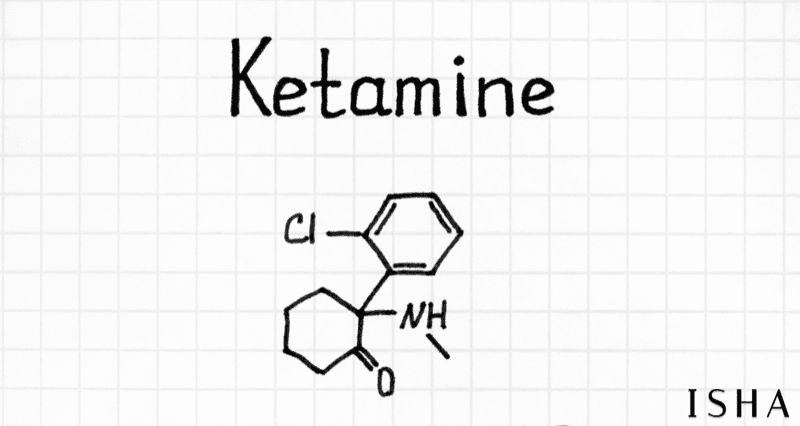
Depression is one of the most common psychiatric conditions among older adults living with mild cognitive impairment (MCI). Estimates suggest that 30 to 40 percent of individuals with MCI also experience clinically significant depressive symptoms, and the combination of the two conditions creates a cycle that is difficult to break. Depression accelerates the trajectory from MCI toward dementia, while cognitive decline makes depression harder to recognize and treat. A 2026 editorial by Flint in the American Journal of Geriatric Psychiatry brings renewed attention to this underserved population and asks whether ketamine could offer a meaningful therapeutic option.
Why Traditional Antidepressants Fall Short
Standard first-line antidepressants, particularly SSRIs and SNRIs, present well-documented limitations in older adults. Response rates are lower than in younger populations, onset of action is slower (often six to eight weeks or longer), and side effects such as hyponatremia, falls, and gastrointestinal disturbance are more pronounced. For patients who also have MCI, the anticholinergic burden of certain antidepressants may further compromise cognitive function. The result is that many older adults cycle through multiple medication trials without adequate relief, a pattern that mirrors the broader challenge of treatment-resistant depression.
Ketamine's Potential in This Population
Ketamine works through a fundamentally different mechanism than conventional antidepressants. By modulating glutamate signaling and antagonizing NMDA receptors, ketamine triggers a rapid cascade of synaptic changes that can produce antidepressant effects within hours rather than weeks. One of the most compelling aspects for the geriatric MCI population is ketamine's ability to upregulate brain-derived neurotrophic factor (BDNF), a protein critical to synaptic plasticity and neuronal survival. Research has shown that BDNF-mediated neuroplasticity may be central to ketamine's sustained antidepressant effects.
The theoretical appeal is significant: a treatment that simultaneously addresses mood symptoms through rapid glutamatergic action and supports neuroplasticity in a brain that is losing synaptic connections. For patients whose depression and cognitive decline share overlapping neurobiological pathways, ketamine could offer a dual benefit that no existing antidepressant provides.
Challenges and Open Questions
Flint's editorial is careful not to overstate the evidence. Several important challenges remain before ketamine can be considered a standard treatment for depressed older adults with MCI.
Dissociation and cognitive vulnerability. Ketamine's dissociative side effects, which are transient and generally well-tolerated in younger populations, may be more distressing or disorienting for individuals whose baseline cognitive function is already compromised. Careful dose titration and monitoring are essential.
Study design limitations. Randomized controlled trials of ketamine have historically struggled with blinding. Because ketamine produces noticeable psychoactive effects, participants can often distinguish it from a saline placebo. The use of midazolam as an active comparator improves blinding but introduces its own confounds, since midazolam has sedative properties that may transiently affect mood ratings. Geriatric-specific trials will need to address these methodological issues.
Cardiovascular monitoring. Older adults are more likely to have hypertension, arrhythmias, and other cardiovascular conditions that require careful management during ketamine administration. Blood pressure elevations during treatment, while typically modest, demand closer surveillance in this age group.
Limited geriatric data. Most ketamine trials have focused on adults aged 18 to 65. The editorial emphasizes that the existing evidence base simply does not include enough older adults, and almost no studies have specifically examined patients with comorbid MCI. Dedicated geriatric trials with cognitive endpoints are needed before clinical recommendations can be made.
The Case for At-Home Treatment
One practical consideration that Flint does not directly address, but that is relevant to clinical implementation, is access. Older adults with MCI often face mobility challenges, transportation barriers, and caregiver coordination difficulties that make repeated clinic visits burdensome. Online ketamine therapy models, where treatment is administered at home under physician guidance via telehealth, may be particularly well-suited for this population. The patient remains in a familiar environment, which can reduce anxiety and disorientation, while the telehealth format eliminates the logistical barriers that disproportionately affect older adults.
Isha Health treats adults of all ages through its telehealth platform, and the at-home model has demonstrated strong clinical outcomes across a broad patient population.
Looking Ahead
The intersection of late-life depression and cognitive decline is one of the most consequential problems in geriatric psychiatry. If ketamine can be shown to safely and effectively treat depression in older adults with MCI, and particularly if it can slow the cognitive trajectory through neuroplasticity-related mechanisms, it would represent a significant advance. For now, the evidence is promising but preliminary, and the field needs well-designed, geriatric-specific randomized controlled trials to move forward.
Related Articles
- Ketamine, BDNF, and Neuroplasticity
- A Guide to Ketamine Therapy
- Online Ketamine Therapy at Isha Health
Considering ketamine therapy? Isha Health offers physician-led at-home treatment with an 88.8% improvement rate. Check appointment availability.
88.8% of Isha Health patients with moderate-to-severe depression show measurable improvement
Based on 546 patients and 1,900+ validated assessments. See our clinical outcomes →